What Fine Art Taught Me About Brand Strategy (That Business School Didn't)
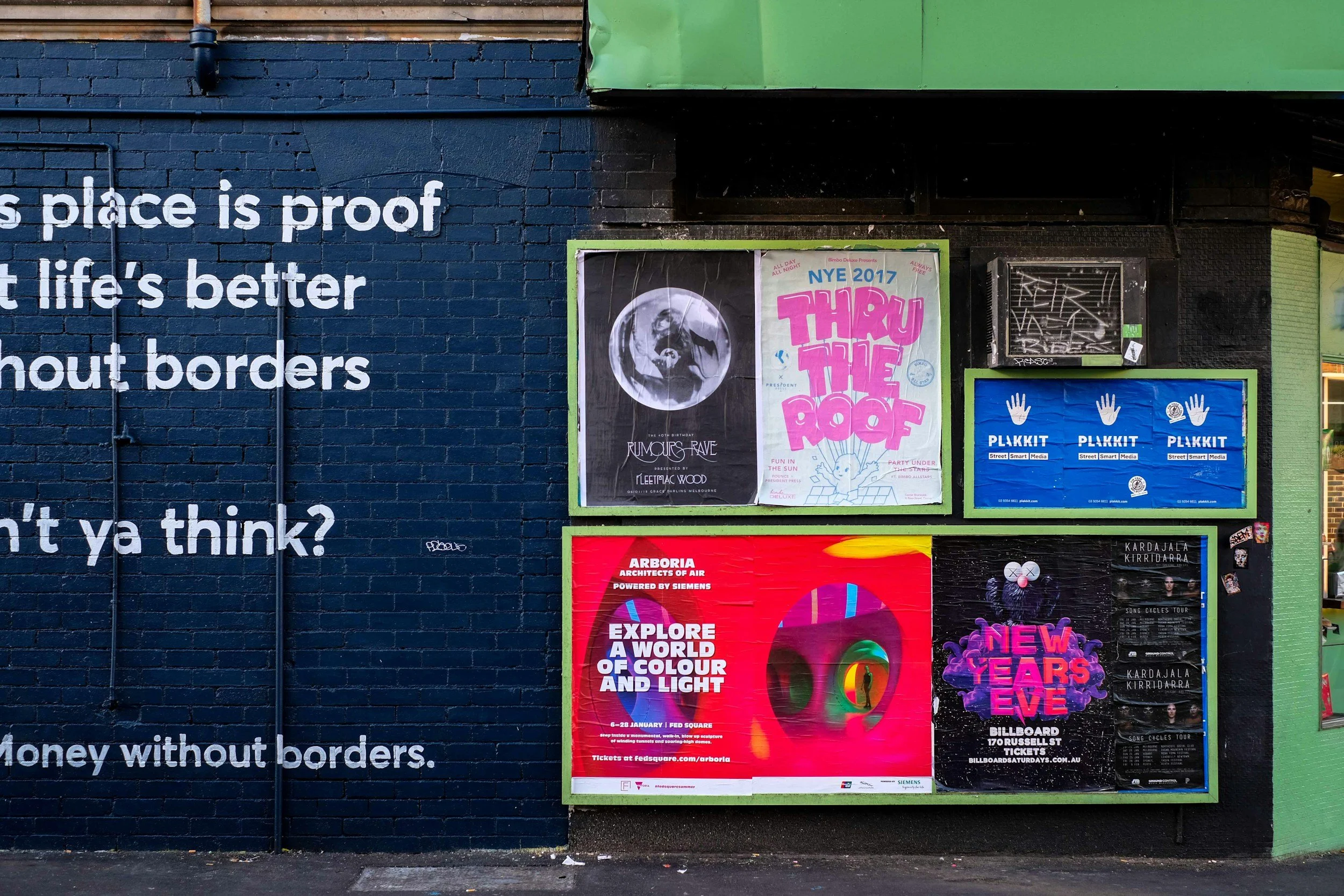
“Your brand is how the world perceives you. It is the silent conversation you have with your consumers, again, and again, and again.”
Business is business, at the end of the day, the bottom line is all that matters. And while I won’t dispute this claim, I will argue its context. Business, every business, was created to solve a human problem. While some people get into their business endeavors out of the good of their hearts, most brands come to life after someone sees a financial opportunity in the market. And more often than not, are there to capitalize on the needs of others. A fraught juxtaposition for morally sound business owners. But it is not so different from how humans experience art, open to the possibility of holding multiple things as not only true, but in balance of one another.
In college, after a short stint as a pre-vet major, I changed to Business Administration. I really wanted to major in art, but at the time every influential person in my life was preaching “you can’t make a living on art”. So, regretfully, Business Administration it was. The classes I took focused heavily on statistics, marketing, and financial planning. The year I graduated, Yahoo put out an article ranking Business Administration as the worst degree to graduate with. And if I’m being honest, I agree. The classes I got the most business sense from were my electives; psychology, visual communication, and fine art. I remember little from my business classes. Today, what I took away from those fine art classes feels more relevant than ever.
The Problem: Digital Fatigue and the Race to the Bottom
Digital fatigue isn't a new concept. But, in my experience, most brands are responding to it the wrong way. They’re rushing to create “Lo-Fi” content at rapid speeds, utilizing AI, brand ambassadors, athletes, and influencers to make sure their audience knows how “authentic” they are. A strategy so contradicting most marketing and creative teams can’t successfully execute on it. It’s a race to the bottom. Nobody wins because consumer fatigue is so high, they’re shutting down. The marketing budget spirals in expansion with little to no return as it attempts to grasp at the chance of going viral, becoming the focus of attention for an often exceptionally short amount of time and often for nothing to do with their brand. Entire businesses get restructured to match the sudden increase in demand and suddenly the interest fades, but the brand is now invested in this direction, so they double down, frantically pumping out content to try to regain consumer attention, spending millions, diverting from the mission statements, from themselves. And the consumers feel it, consciously or not, and they begin to distance themselves because it has gone from a genuine connection, to being the person in the room that takes up all the energy, talking about themselves, and losing the plot entirely.
What Fine Art Teaches You About Seeing
When you study art, you’re taught to see what most people don’t, the details, the nuance, the light in the shadows. Everything the human eye sees is connected to an emotional response, subconscious or otherwise. From color theory, to visual hierarchy, to composition, each component is a sentence in a conversation or a conversation in and of itself, often open to interpretation. When thinking about this in relation to business or language, this is called visual communication. We know colors, like certain shades of blue, give the feeling of calm. Brighter colors give energy, or can make you feel excitement. Striking contrast is edgy and authoritative while less contrast can give a more sophisticated or softer feeling. How does any of this relate to business? Your brand. In the age of AI and digital first business, the picture people form of who your brand is, is developed almost entirely through visual communication, i.e. your content. If you don’t fully understand how your content is impacting your audience, the conversation is one-sided and you’ve stopped solving problems for humans, you’ve created more for them.
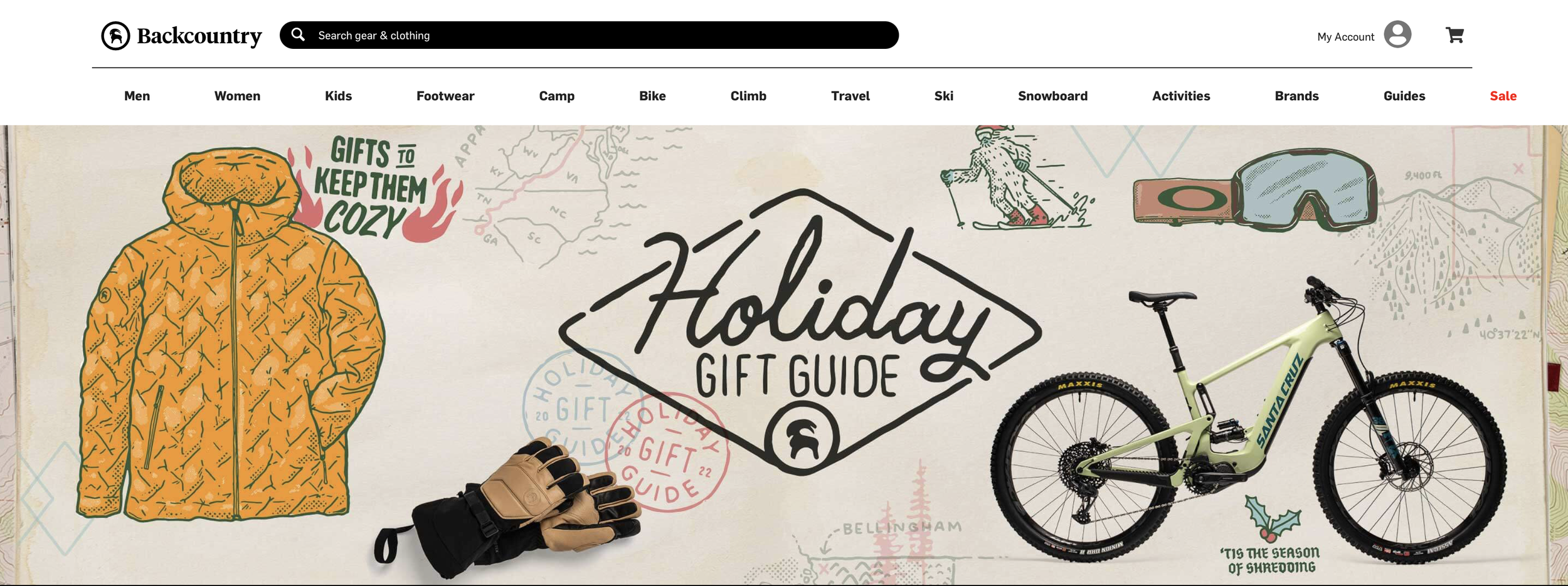
An example of how Backcountry.com used visual elements in their Holiday Gift Guide to communicate brand identity.
Design Decisions Are Brand Decisions
What art also teaches you, is that the most impactful art connects you to the artist. Anyone can paint, but you don’t just buy the piece because of the painting, you buy it because you feel a sense of connection with the artist, the art makes you feel seen. Visual brand strategy is no different, you can put out the “best” content in the world, but if your brand does not come through, you lose the opportunity to connect with your consumers, or worse you lose their trust. For example, if you’re running a Mother’s Day campaign in 2026 and you're strictly using traditionally feminine colors, and she/her pronouns in the copy, you’re missing a significant portion of your audience. While there is nothing wrong with traditionally feminine colors or binary she/her pronouns, it is one experience among many. For many people, something about that message makes them feel misunderstood rather than seen. Whether they lost their mother, never knew them, or they have a mother figure in their lives that identifies outside of the binary, that typical holiday framing is more hurtful than helpful and those kinds of campaigns will erode brand trust silently, impacting your larger campaigns, and eventually your business overall.
Why This Matters More Now Than Ever
Understanding the way you show up in a space takes work, it is a distinctly human behavior because it involves understanding an infinite number of variables and perspectives. It’s also the reason diverse teams are not only equitable, but more profitable. Brand strategy in the age of AI looks different, yet the same. You might have agents to execute on the work for you, but a human-centered brand strategy and oversight is the only way to make sure your brand is showing up the way you want it to. It needs to be grounded, steady, and built on longevity over virality. It needs to break free from the overly used AI formatting and language. The brands standing the test of time are largely not the ones going viral or posting the most content. They’re the ones that show up consistently, and honestly. They’re the teams that have people who step up in meetings and say “the copy does not feel on-brand”, and the team listens and takes action. They’re the teams that haven’t forgotten they’re operating in service of humans, and that AI requires supervision, and should always be critiqued.
Art is not separate from anything in life, including business. The homes we build, the food we eat, the things we buy. Those decisions are all based on how they make us feel, and what message we think they tell the world about us. And that is as true in crafting fine art, as it is in developing visual brand strategy. Your brand is how the world perceives you, it is the silent conversation you have with your consumers, again, and again, and again. And when you pump out mass amounts of misguided content to prove yourself to your customers, it doesn’t come off as authentic, it simply makes them ask the question “do they even know who they are anymore?”
Author Bio:
Brittany Beland is a digital experience strategist and visual artist based in Vermont. She spent nearly a decade leading brand activation and digital merchandising for outdoor brands including Burton Snowboards. See her work at brittanyleebeland.com.