The Most Important Design Work Isn't the Creative. It's the Process.
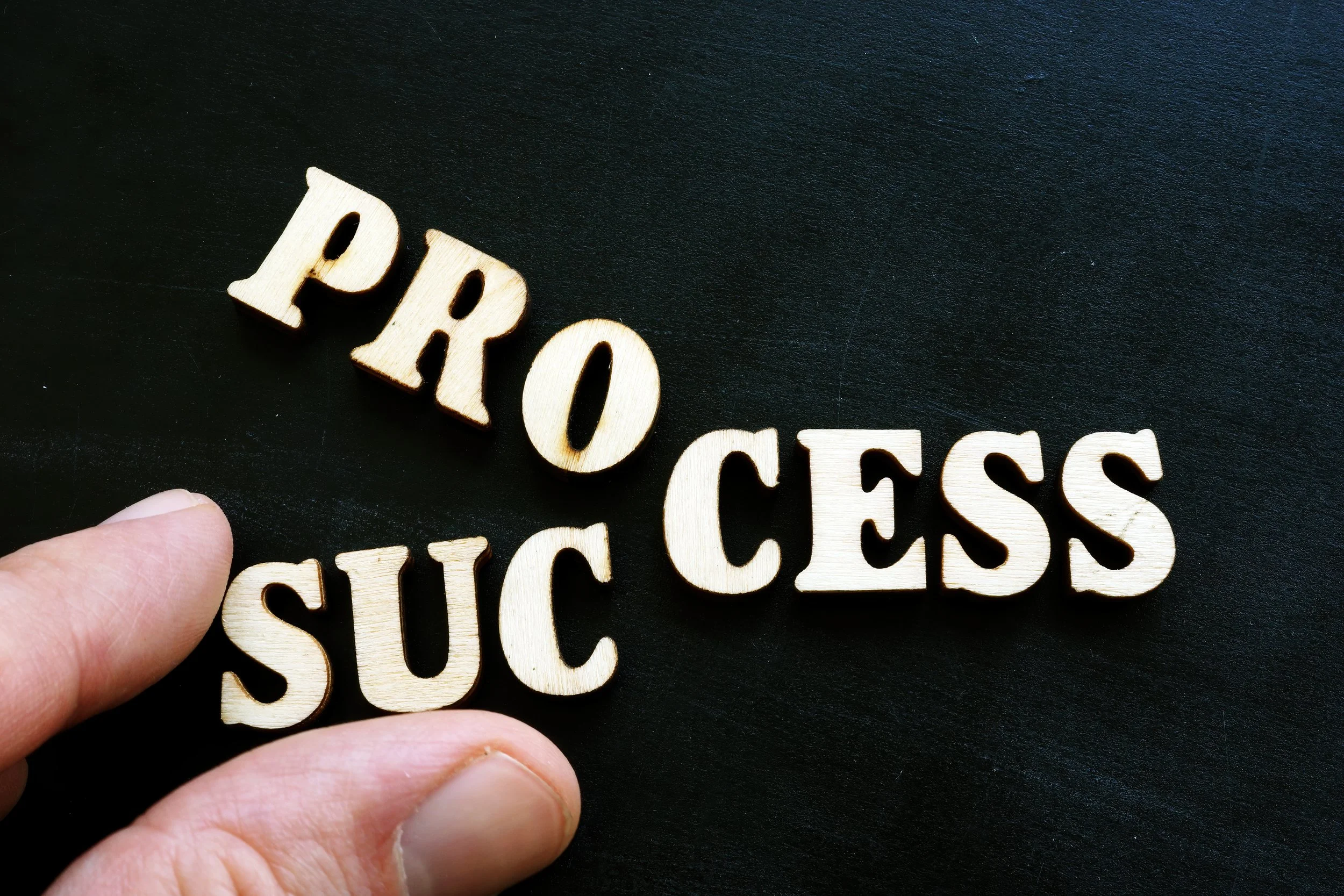
“The most important design work isn't the creative. It's the process that makes the creative possible. If your team is spending more energy on logistics than on the work itself, the problem isn't the people. It's the system.”
I've spent nearly a decade in the marketing and e-commerce space, and almost always when people refer to design in this field, they're referring to the visual output; the campaign hero image, the homepage layout, the product photography. But in my experience, the design work that has the biggest impact on output quality isn't the creative itself, it's the process that surrounds it. When the process is broken, creative teams spend their energy chasing information, clarifying scope, resolving miscommunication, and often redoing work on expedited or shortened workback schedules. When the process is designed well, that energy goes into the actual creative work, and the outputs are better because the system is better.
Process is a Design Problem
Design at its core is user-centered problem solving. You're identifying friction, understanding how people interact with visual communication, and creating something that makes their experience better. That's exactly what process design is. The "users" are your cross-functional teammates. The "experience" is how they receive information, understand priorities, collaborate, and deliver. When you approach the process with the same intentionality you'd bring to designing a homepage or campaign, the results are the same: less friction, clearer communication, better outcomes. As someone with a background in visual communication and fine art, I learned early that everything the eye sees is connected to an emotional response. The same is true for how people experience a workflow, and it can deeply impact how a team functions, or fails to.
What Happens When the Process Isn't Designed
I have worked at multiple brands where the intake system for campaign kickoffs or site issues was a Teams chat or email with dozens of stakeholders. It almost always resulted in duplicated requests, no prioritization, no historical documentation, and constant communication breakdown. I've witnessed entire campaign briefs and asset requests being managed across multiple spreadsheets that were hard to read, rarely updated, and almost never in sync. The cost was immense: extended project timelines, scope creep that seemed to never end, frustrated teammates, and lower quality outputs.
Three Systems I Designed (That Weren't Creative)
The intake system. I designed a JIRA-based governance system that replaced a chaotic Teams chat for tracking e-commerce issues. The front end: a simple form that gathered the right information upfront. Backend: a kanban board with prioritization and status tracking. I had designated team representatives to eliminate duplicate requests and streamline feedback. The result: hundreds of backlogged requests resolved, campaigns delivered on time, and people stopped chasing information. And as a bonus, it created historical records of how those problems were solved, so in the future solutions and cross-functional work could come together quickly.
Visual communication. I started building weekly site wireframes in Figma because people were using spreadsheets to plan page layouts and what got built rarely matched what was discussed. We would spend hours building banners only to have to redo all of it. What I learned is that the most common issue that occurs with working with cross-functional teams is communication, and it's because everyone speaks a different language. They operate in the world they know. But visual language is universal. Once introduced, wireframes quickly became the shared visual language that aligned creative, marketing, email, paid media, and store teams before anyone started producing assets. We had less rework, more alignment, better outputs, and better results.
Information centralization. Whether it's across multiple teams or within your own, if you don't have a centralized place where everyone can access necessary resources, you are hemorrhaging bandwidth and likely leaving money on the table. More often than not, I have seen brands refuse to invest in project management tool seats that would allow everyone in their org to access centralized information. Key information should not be strewn across marketing decks, asset briefs, brand guideline websites, and random email chains. It can exist in all of those places, but it also needs to exist as a source of truth, so anyone that needs the information only needs to remember one, consistent place to find it. In my experience, I found it most useful to have a central source for cross-functional projects, as well as a central source for my team specifically, that held more detailed information. Tools like JIRA, Figma, and Confluence have been invaluable in helping me build and design workflows that have allowed for centralization, and I would argue are always worth the investment.
Why This Matters More Right Now
Right now, it doesn't matter where you work, the stakes are high, the pace is fast, and the ambiguity grows by the day. AI is reshaping how entire industries operate. But the need for a well designed process doesn't change, and the good thing is, the fundamentals don't either. Whether you create an agent to manage the process for you, or you are managing the process yourself, it still needs to be user-centered in order to be effective in project management for creative teams. Well designed processes allow your designers the time and freedom to be creative and your creative agents the clarity needed to generate exactly what those designers are asking for. And at a time where content is king, that is more important than ever.
The most important design work isn't the creative. It's the process that makes the creative possible. If your team is spending more energy on logistics than on the work itself, the problem isn't the people. It's the system. And systems can be redesigned. At a time when technological advancements are happening in hours, there is no reason to keep operating with poorly designed systems. Operational design is no longer an option, it's a business critical function.
Author Bio:
Brittany Beland is a digital experience strategist and visual artist based in Vermont. She spent nearly a decade leading brand activation and digital merchandising for outdoor brands including Burton Snowboards. See her work at brittanyleebeland.com.